In this article 12 sections
- Key takeaways
- What is Torrens title?
- What is strata title?
- What costs come with strata title?
- What costs come with Torrens title?
- How much control do you have with strata vs Torrens?
- What should investors check before buying strata?
- How are strata disputes handled?
- Does strata or Torrens title affect lending?
- Is strata or Torrens title better for investors?
- Frequently asked questions
- Sources
With a strata title property you own your individual lot, such as an apartment or townhouse, and share ownership of common property with the other owners through an owners corporation. With what investors usually call Torrens title, you own the land and the building yourself, with no shared common property and no owners corporation levies. The difference affects your costs, how much control you have and what you need to check before you buy.
Key takeaways
- Torrens is the government land titles register used across Australia. In everyday property talk, a “Torrens title” home usually means a freestanding property with no shared common property.
- Strata title gives you individual ownership of a lot plus a share in common property, managed by an owners corporation (called a body corporate in some states).
- Strata owners pay regular levies or fees for running costs and future works, and may face special levies for large or unforeseen works.
- Strata rules (by-laws in NSW) can affect renovations, pets, noise and more, so you share control with the other owners.
- Before buying strata, read the owners corporation records, including meeting minutes, finances, insurance and any maintenance plan.
What is Torrens title?
Torrens title is a system of land registration run by each state and territory. NSW Land Registry Services explains that it was introduced to NSW in 1863 and replaced the earlier “old system” of title deeds.
Under the Torrens system, titles are kept in one central register. Each landholding has its own folio, and the register records interests such as new ownership, mortgages, leases, easements and caveats. A certificate of title is a copy of that folio.
The system is backed by the state. NSW Land Registry Services says the registered owner, called the registered proprietor, is treated as the true owner and cannot have their title challenged unless ownership was fraudulently registered.
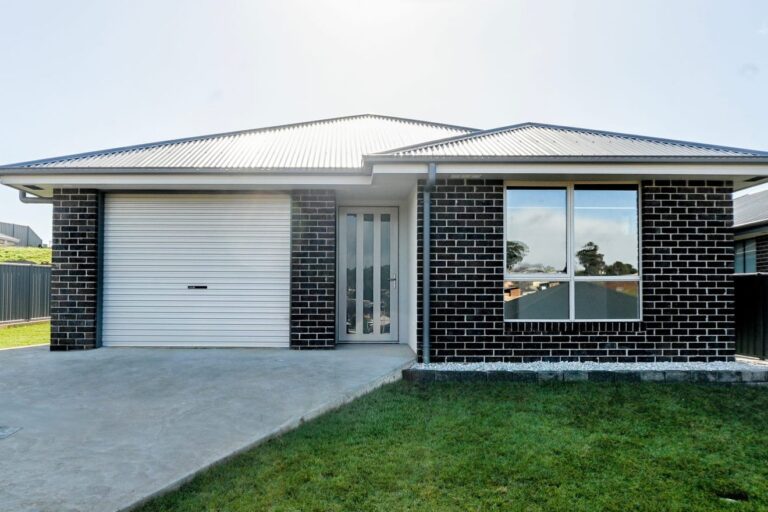
Strictly speaking, Torrens is the registration system rather than a type of building. When agents advertise a house as “Torrens title”, they usually mean you own the whole parcel of land and everything on it, without an owners corporation.
What is strata title?
Strata title lets several owners each own part of a building or site while sharing the rest. Consumer Affairs Victoria describes it as individual ownership of a unit or apartment within a multi unit complex, with the common property shared.
Legal Aid NSW sets out the key terms:
- Lot: the unit or part of the strata scheme owned by an individual member of the owners corporation.
- Common property: the parts of the scheme owned by the owners corporation, such as shared driveways, gardens, foyers, lifts and often the external structure.
- Owners corporation: the body made up of all the lot owners, which manages the scheme.
- Strata committee: an elected group of owners that makes day to day management decisions.
In Victoria, an owners corporation is automatically created when a plan of subdivision with common property is registered. The older term “body corporate” is still used in Queensland and in everyday conversation.
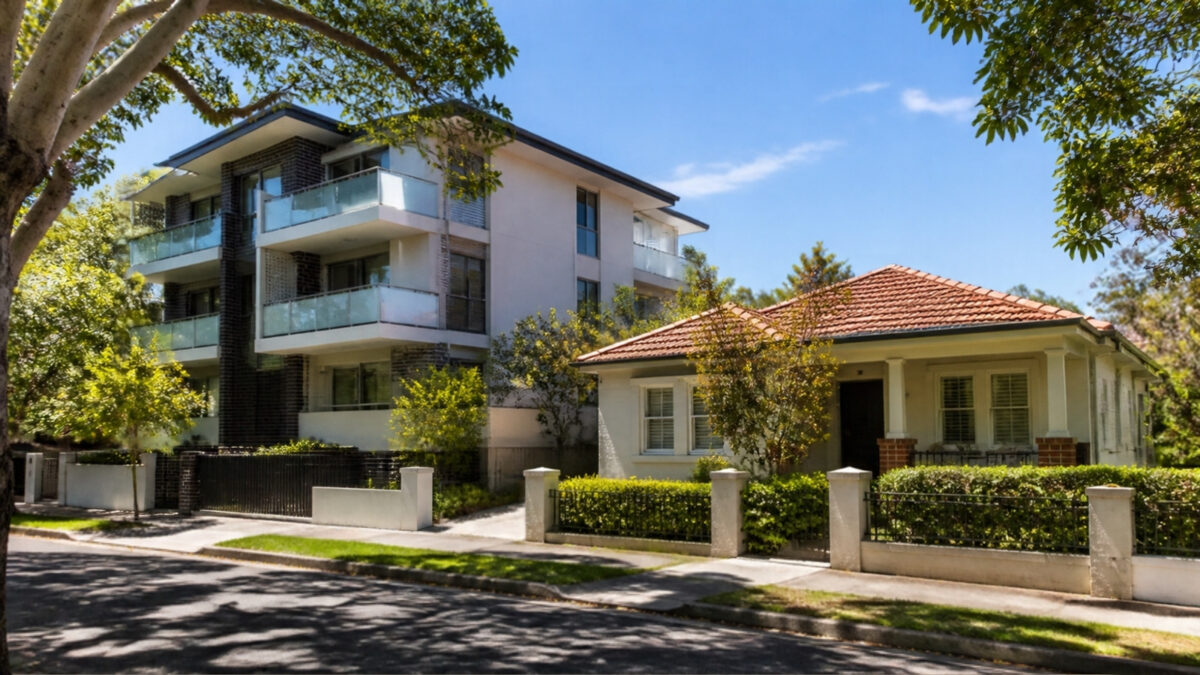
Strata is common for apartments, many townhouses and some villa or unit developments. Our guide on how to buy a unit covers the purchase process in more detail.
What costs come with strata title?
Strata owners contribute to the costs of running and maintaining the common property. In NSW, Legal Aid NSW describes two main funds:
- Administrative fund: covers the day to day expenses and management costs of the scheme.
- Capital works fund: set aside to cover future expenses, such as major repairs and replacements.
If there is not enough money for large capital works or unforeseen work, the owners corporation can raise a special levy on top of regular contributions.
In Victoria, Consumer Affairs Victoria says tier one and tier two owners corporations must have a maintenance plan covering major capital items for the next 10 years, along with a maintenance fund to pay for the planned works. Smaller owners corporations are not required to have a plan but may choose to. CAV notes that predictable maintenance of major capital items should be covered in annual fees under the plan, and emergency repairs should be covered by the building’s replacement and reinstatement insurance.
Your share of costs is set by your lot liability. CAV’s buying checklist suggests confirming your lot entitlements (voting rights) and lot liabilities (your share of costs) before you buy.
What costs come with Torrens title?
With a freestanding Torrens title property, there are no owners corporation fees. Instead, you pay for everything directly:
- all repairs and maintenance, inside and out, including the roof, fences, driveway and garden
- building insurance for the whole structure
- council rates and any land tax, assessed on the whole parcel of land
There is no shared fund building up for future works, so it pays to keep your own buffer for larger items such as roofing or external painting. A good building inspection before you buy helps you understand what is coming. See our guide to building inspection must haves.
How much control do you have with strata vs Torrens?
Strata. You share decisions with the other owners. Each scheme has its own rules (by-laws in NSW), which govern how you live in the scheme. CAV notes rules may cover renovations, pet ownership and noise levels. Major decisions, such as large works or changes to levies, are made by the owners corporation or committee, not by you alone.
Torrens. You generally have more freedom over the property, subject to council planning rules, building regulations and anything registered on the title, such as easements or covenants. You decide when and how to maintain, renovate or improve it.
For an investor, the trade off is often convenience against control. Strata can mean less hands on maintenance, since the owners corporation looks after common areas, but you rely on how well the scheme is run.
What should investors check before buying strata?
The quality of a strata property depends heavily on the quality of the scheme. CAV’s checklist for buying an apartment or unit includes:
- the owners corporation certificate, attached to the Section 32 vendor’s statement in Victoria, which shows current fees, insurance and maintenance works
- whether a special levy is planned for upcoming building works
- whether there is a maintenance fund and how much you would contribute
- the rules, and whether they are registered at Land Use Victoria
- the minutes of the last annual general meeting and any legal proceedings or tribunal decisions
- whether the building has enough replacement and reinstatement insurance cover
- whether the apartment and car space measurements match the plan of subdivision
- whether the manager is on the public register of owners corporation managers
We explain how to read these documents in strata records explained.
How are strata disputes handled?
Living in a shared scheme can lead to disagreements about levies, by-laws, repairs or noise. In NSW, Legal Aid NSW says you can apply to NSW Fair Trading for mediation at no fee, and the NSW Civil and Administrative Tribunal (NCAT) can decide strata cases. Mediation is compulsory for certain types of strata applications. Other states have their own dispute pathways through their consumer affairs or tribunal bodies.
Does strata or Torrens title affect lending?
Title type can be one of the factors a lender considers. Some lenders apply different policies to certain apartment types, such as very small units or particular developments. These policies vary between lenders and change over time, so speak with your broker or lender about how they treat the specific property before you commit.
Is strata or Torrens title better for investors?
Neither is better in every case. The right fit depends on your strategy, budget, how hands on you want to be and the quality of the specific property. A well run strata scheme in a good location can suit some investors, while others prefer the land content and control of a freestanding home.
What matters most is assessing each property on its merits. Our guide to what makes a property investment grade sets out the factors we look at, whatever the title type.
At Citadel Agency, a licensed buyers agency, we review strata records and title documents as part of due diligence before a client commits to a purchase.
Frequently asked questions
What is the main difference between strata and Torrens title?
With strata title you own your lot and share common property with other owners through an owners corporation. With a freestanding Torrens title property, you own the land and building outright with no shared common property.
Do Torrens title properties have body corporate fees?
A freestanding Torrens title property generally has no owners corporation or body corporate fees. You pay for maintenance and building insurance directly instead.
What is a special levy in strata?
A special levy is an extra contribution the owners corporation can raise if there is not enough money to cover large capital works or unforeseen works.
Can I renovate a strata property?
It depends on the scheme’s rules. Strata rules may cover renovations, and work affecting common property may need owners corporation approval, so check the rules before you plan any changes.
What documents should I check before buying strata?
Check the owners corporation certificate, the rules, recent meeting minutes, the maintenance plan and fund, insurance cover and any planned special levies.
Sources
- NSW Land Registry Services: Land ownership
- Legal Aid NSW: Strata schemes
- Consumer Affairs Victoria: Buying an apartment or unit checklist
- Consumer Affairs Victoria: Owners corporation maintenance plan
Weighing up a unit against a house for your next purchase? Book a free strategy call with our team.
General information only. It does not take into account your objectives, financial situation or needs. Speak to a qualified professional before acting.
General information only. It does not take your objectives, financial situation or needs into account and is not financial, tax, credit or legal advice.