







On 13 May 2026, the Albanese government confirmed two of the biggest shifts to housing and property tax in 27 years. Negative gearing on existing properties is being restricted. The 50% capital gains tax discount is being replaced with a new model. And the flow-on effects touch more people than most commentary is acknowledging.
Citadel Agency has put together a free plain-English guide that breaks down exactly what changed, what it means for each type of buyer, and the strategies that still make sense in the current environment. No jargon. No agenda. Just the facts and a clear framework for making your next decision.
Licensed Buyers Agents, Australia-Wide
Operating Licenses Agents AUS Wide
Average 16.5% Capital
Growth
★★★★★
5-Star Google Reviews
General education only — not personal financial advice
There has been a lot of noise since the budget dropped. Some of it is accurate. A lot of it is not. Here is the plain-English version of exactly what the government announced on 13 May 2026 and what it does and does not mean for ordinary Australians.
Change 1:
Negative Gearing
From 1 July 2027, negative gearing on existing properties is being restricted to newly built homes only.
Negative gearing is when the cost of owning an investment property — loan repayments, maintenance, property management — is higher than the rental income it generates. Under the old rules, landlords could deduct that loss from their other income (like their salary) and reduce their tax bill. This was a significant financial incentive to own investment property.
Under the new rules, that deduction only applies if the property is a newly built home or a house and land package purchased after budget night. Existing properties bought after 13 May 2026 can still be negatively geared until 1 July 2027, then the deduction stops.
If you already own investment property and it is negatively geared, nothing changes for you. Your existing deductions are fully protected.
| Your situation | What happens from 1 July 2027 |
|---|---|
| Already own a negatively geared property | Fully protected. Nothing changes. Your deductions stay. |
| Buying an existing investment property now | Cannot negatively gear it after 1 July 2027 |
| Buying a new build or house and land package | Negative gearing fully available. No change. |
| Renting and wondering about your landlord | Some landlords may reassess. Others are unaffected. |
| Saving for your first home | New builds remain attractive. Established supply may shift. |
| Holding property inside an SMSF | Expected to be unaffected by this change |
Change 2:
Capital Gains Tax
The 50% capital gains tax discount is being replaced with the pre-1999 inflation indexation model for new investment purchases.
Capital gains tax is the tax you pay when you sell an asset — like an investment property — for more than you paid for it. Since 1999, Australians who held that asset for more than 12 months got a 50% discount: only half the profit was added to your taxable income. That was a very generous rule that benefited property investors significantly.
That flat 50% discount is being replaced with the pre-1999 system for new investment property purchases from 1 July 2027. Under the new system, your purchase price is adjusted for inflation each year you hold the property. You only pay tax on the portion of your profit that sits above inflation — your ‘real’ gain.
This is not automatically worse for everyone. In a high-inflation environment over a long hold period, the indexation model can actually produce a lower tax bill than the old 50% discount. In a fast-growth, low-inflation market — which is what most Australian cities have seen recently — the old discount was more generous.
| Your situation | Old model: 50% discount | New model: indexation at 3% CPI |
|---|---|---|
| Purchase price | $600,000 | $600,000 |
| Sale price (15 years later) | $1,100,000 | $1,100,000 |
| Inflation-adjusted cost base | Not applicable | $934,000 approx |
| Taxable gain | $250,000 | $166,000 |
| Tax at 47% marginal rate | $117,500 | $78,000 |
| Verdict | $39,500 less tax in this scenario |
General education example only. 3% average annual CPI over 15 years used. Your actual outcome depends on CPI, hold period, and your full tax position. Speak to a registered tax agent for advice specific to your situation.
Change 3:
Discretionary Trusts
From 1 July 2028, a 30% minimum tax applies to all discretionary trust income before it reaches beneficiaries.
A discretionary trust — commonly called a family trust — is a legal structure where a trustee holds assets and distributes income to family members each year. The trustee decides how much each person receives, which has historically allowed families to direct income toward lower-earning members and reduce the total tax paid across the household. This is called income splitting and it has been one of the most widely used legal tax strategies in Australia for decades.
Under the new rules, the trustee must pay a minimum 30% tax on the trust’s income before any distributions are made. Beneficiaries receive a tax credit for the amount already paid, but the total tax on trust income cannot fall below 30% regardless of the beneficiary’s personal tax rate.
In practical terms, distributing income to a non-working spouse or an adult child on a low income — both of whom previously paid tax at 0% or 19% on their share — no longer produces the same tax saving. The floor applies to everyone.
| Your situation | What happens from 1 July 2027 |
|---|---|
| You hold property in a family trust | 30% minimum tax applies at trustee level on all income distributions |
| You distribute to low-income family members | Income splitting advantage significantly reduced |
| Your beneficiaries are all on high incomes | 30% floor may make little practical difference to your current position |
| You want to restructure out of a trust | Rollover relief available from 1 July 2027 to 30 June 2030 with no CGT consequences |
| Primary production, SMSF, fixed trust, deceased estate | Expected to be exempt from the minimum tax |
New builds and house and land packages are carved out from both changes. Negative gearing still applies. At the point of sale, investors in new builds can choose between the old 50% discount or the new indexation model — whichever produces the better outcome for them. This is a meaningful advantage that does not apply to buyers of existing properties.
The 2026 budget replaced the flat 50% CGT discount with a pre-1999 inflation indexation model for new investment property purchases. Whether this is better or worse for you depends entirely on your specific numbers: how much you paid, what the property is worth at sale, how long you held it, and what inflation looked like over that period. Use the calculator below to model your scenario. It runs both models side by side and tells you exactly which one produces a lower tax bill and by how much.
Compare your after-tax position under the new indexation model versus the old 50% discount across every ownership structure. Adjust the inputs to match your situation.
The 2026 federal budget confirmed two major changes to property investment tax in Australia, effective 1 July 2027 for new purchases of existing residential property.
Change 1: Negative gearing is restricted to newly built properties for purchases made after 13 May 2026. Existing negatively geared properties are fully grandfathered.
Change 2: The 50% CGT discount is replaced with the pre-1999 inflation indexation model plus a 30% minimum tax on real gains for new investment property purchases from 1 July 2027. New builds and house and land packages are exempt — investors in new builds can choose the better model at sale.
Your cost base is not just the purchase price. It also includes stamp duty, legal and conveyancing fees, building and pest inspection costs, and any capital improvements made over the hold period. Adding these reduces your taxable gain under both models. Toggle the options in the calculator to include them.
Individual: Standard marginal rate. Indexation or 50% discount applies (depending on purchase date and property type). CGT is added to your assessable income in the year of sale.
SMSF: Expected exempt from the 2026 changes. 10% effective CGT in accumulation phase (1/3 discount still applies). 0% CGT in pension phase.
Company: No CGT discount ever applied to companies. Full gain taxed at the corporate rate. The 2026 budget does not change this position.
Family trust: Capital gains flow to beneficiaries who are taxed at their individual marginal rates. If the trust has held the asset 12+ months, individual beneficiaries can apply the discount. The new indexation model applies to gains distributed to beneficiaries from assets acquired after the cut-off.
Your actual tax position depends on your full financial situation, the property's full cost base history, and the final enacted legislation. Here is how to turn the numbers into a decision.
General Advice Warning: This calculator is a general education tool only and does not constitute financial, investment, taxation or legal advice. The information provided does not take into account your personal financial situation, objectives or needs. Before acting on any information, you should consider its appropriateness for your circumstances and seek independent professional advice from a qualified financial adviser, registered tax agent or solicitor. Citadel Agency is a licensed buyers agency and does not hold an AFSL. Property values can fall as well as rise. Past performance is not indicative of future results.
The 2026 budget changes touch a much wider group than just property investors. Here is an honest breakdown of how the new rules land for five different types of Australians.
01
You currently rent
You rent and you are watching the landlord debate unfold.
There is a real question about whether landlords will exit the rental market in response to the negative gearing changes. The data from previous negative gearing reforms suggests that rental supply does not typically collapse overnight, but individual landlords do reassess. The more immediate effect is that some landlords of existing properties may choose to sell rather than hold, which could temporarily affect rental availability in some submarkets.
The upside: if you are renting with a view to buying eventually, the new build carve-outs create an interesting opportunity. House and land packages are now one of the more strategically advantaged entry points into the market, and many are priced below established property in equivalent corridors.
What to watch: rental supply in your suburb over the next 12 months. And if you are saving to buy, read the house and land section below.
02
You are saving to buy your first home
You are trying to get into the market and the budget just added more noise.
Here is the signal through the noise. The budget did not introduce any new first home buyer grants or stamp duty relief. What it did do is change the incentive structure for investors in a way that is designed — in theory — to reduce competition for established housing stock over time.
Whether that translates to meaningful price relief in the suburbs you are targeting depends on local supply and demand fundamentals that are different in every market. What the budget did confirm is that new construction — house and land packages and new builds — is now more financially advantaged than ever for the buyer, not just the investor. If you are open to a new build, this is worth exploring seriously.
The market did not get simpler. But your options may be broader than you think. A strategy session can help you map your specific path.
03
You already own investment property
Already invested? You are largely protected and the opportunity is still there.
If you purchased your investment property before budget night, your negative gearing deductions are fully protected under the grandfathering arrangements. Nothing changes for your existing assets. The CGT treatment applies a blended model: the old 50% discount on gains accrued before the change, and the indexation model on gains accrued after. For most long-hold investors, this is manageable.
Where your strategy may need a review is around future acquisitions and your exit timeline. The new rules change the return profile on existing property purchases and shift attention toward new builds for the tax advantages they now carry.
Grandfathered and protected. Review your forward acquisition strategy and exit modelling with a licensed buyers agent.
04
You are an SMSF trustee
SMSF investor: the opportunity here is largely unchanged.
SMSFs are expected to be exempt from the CGT changes. Your fund retains its existing treatment: a 33% discount in accumulation phase and zero capital gains tax in pension phase. This makes SMSF property one of the most tax-effective investment structures in Australia, and it is still standing after this budget. The negative gearing changes also do not apply to your fund in the same way they apply to individual investors.
If you have an SMSF and have been considering property acquisition inside super, this is worth getting specific advice on quickly. The structure requires a Limited Recourse Borrowing Arrangement and a trustees with a clear investment strategy, which is exactly what Citadel maps out for SMSF clients.
Strong strategic position. One of the most advantaged investment structures in the post-budget environment.
05
You are generally interested in property but not sure where you stand
Not sure which category you fall into? That is the most common situation right now.
Most people sitting in this space are trying to answer one of three questions: Should I buy now or wait? Does the budget make property a worse investment than it was? And what does a genuinely independent person think about my specific situation?
The honest answer is that the budget changed specific rules around tax treatment. It did not change the fundamental drivers of property value in Australia: population growth, constrained supply, and the long-term wealth-building track record of residential property held over time. What it did change is that strategy matters more now. The margin for a poor decision is smaller. Which is why independent advice from a licensed buyers agent, someone who is not paid by developers or selling agents, is more valuable now than it has been in years.
The guide below is a good starting point. A strategy session with Citadel is the next step if you want personalised clarity.
What Changed, Who Is Affected, and What to Do Next
A plain-English breakdown of the 2026 budget housing changes for every type of Australian — whether you rent, own, or are planning your next move. Covers established homes, house and land packages, SMSF strategies, and first home buyer pathways. Prepared by Citadel Agency, licensed Australian buyers agents.
This guide is prepared by Citadel Agency for general educational purposes only. It does not constitute personal financial, taxation, investment, or legal advice. Information is based on publicly reported budget announcements as of 13 May 2026 and may be subject to change as legislation is finalised. You should seek independent advice from a qualified financial adviser, accountant, or tax agent before making any investment decisions. Citadel Agency is a licensed buyers agency and does not provide financial advice within the meaning of the Corporations Act 2001.
What Changed, Who Is Affected, and What to Do Next
A plain-English breakdown of the 2026 budget housing changes for every type of Australian — whether you rent, own, or are planning your next move. Covers established homes, house and land packages, SMSF strategies, and first home buyer pathways. Prepared by Citadel Agency, licensed Australian buyers agents.
This guide is prepared by Citadel Agency for general educational purposes only. It does not constitute personal financial, taxation, investment, or legal advice. Information is based on publicly reported budget announcements as of 13 May 2026 and may be subject to change as legislation is finalised. You should seek independent advice from a qualified financial adviser, accountant, or tax agent before making any investment decisions. Citadel Agency is a licensed buyers agency and does not provide financial advice within the meaning of the Corporations Act 2001.
We respect your privacy. Your details are only used to send you the guide and relevant property education content from Citadel Agency. Unsubscribe any time.
We don’t rely on guesswork; we rely on the numbers. Below is a snapshot of recent client acquisitions across Australia. Review the hard data behind our purchases, from strict acquisition prices to the actual capital growth and rental yields our investors are achieving today.
Cost
$680,000
Current Property Value
$710,000

Cost
$505,000
Current Property Value
$535,000
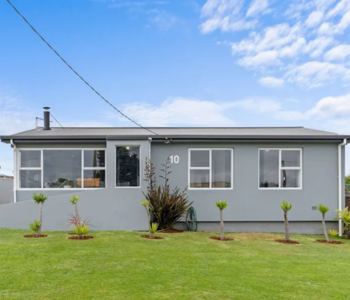
Cost
$565,000
Current Property Value
$585,000
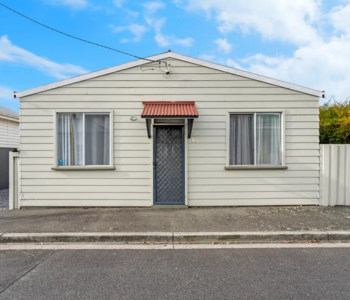
Cost
$410,000
Current Property Value
$430,000
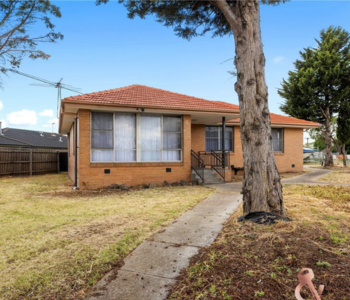
Cost
$625,000
Current Property Value
$645,000
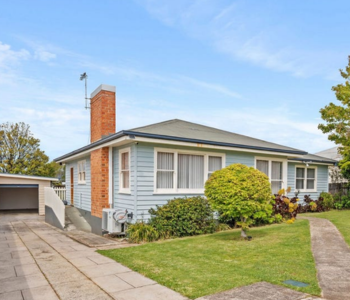
Cost
$520,000
Current Property Value
$570,000

Cost
$500,000
Current Property Value
$605,000
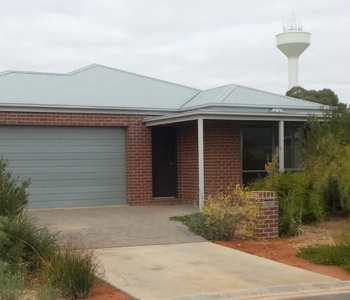
Cost
$493,000
Current Property Value
$600,000
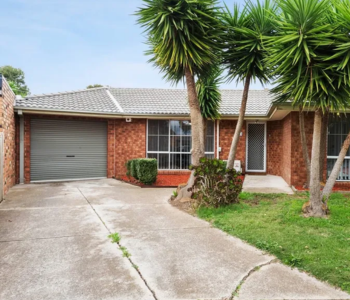
Cost
$675,000
Current Property Value
$700,000
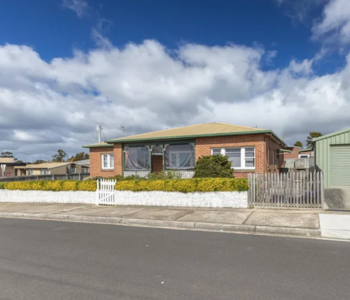
Cost
$419,000
Current Property Value
$435,000

Cost
$490,000
Current Property Value
$545,000

Cost
$430,000
Current Property Value
$500,000
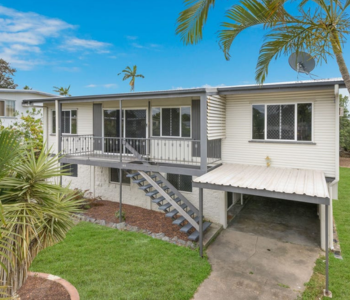
Cost
$495,000
Current Property Value
$575,000
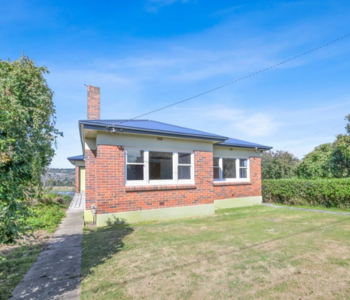
Cost
$535,000
Current Property Value
$635,000
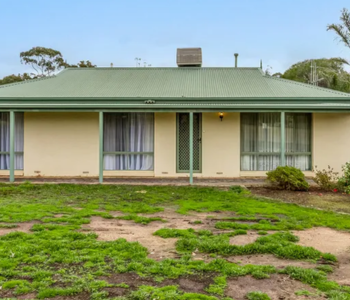
Cost
$535,000
Current Property Value
$585,000
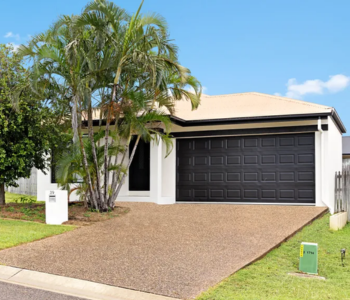
Cost
$620,000
Current Property Value
$700,000
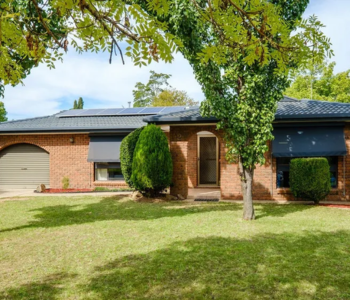
Cost
$605,000
Current Property Value
$680,000
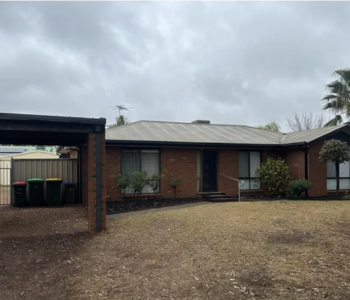
Cost
$525,000
Current Property Value
$590,000
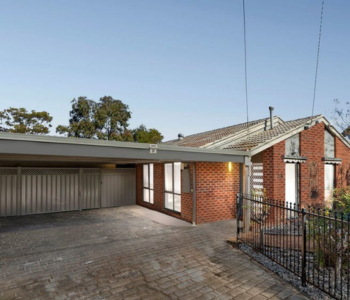
Cost
$751,000
Current Property Value
$820,000
Cost
$510,000
Current Property Value
$585,000
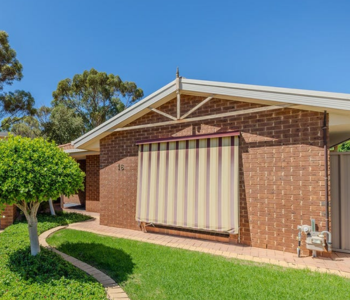
Cost
$525,500
Current Property Value
$600,000
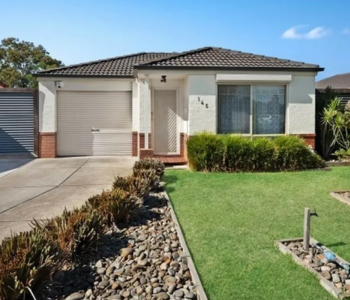
Cost
$601,000
Current Property Value
$635,000
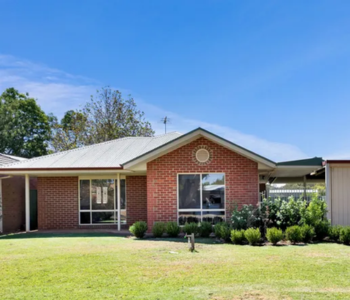
Cost
$521,500
Current Property Value
$615,000
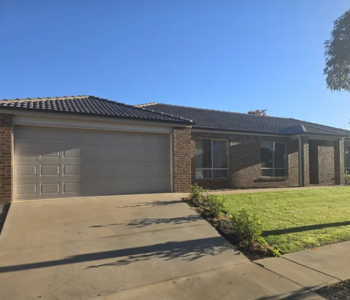
Cost
$530,000
Current Property Value
$625,000

Cost
$796,000
Current Property Value
$900,000
Cost
$555,000
Current Property Value
$700,000
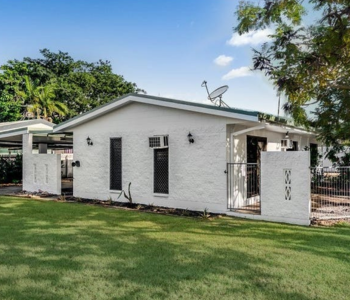
Cost
$480,000
Current Property Value
$605,000
Cost
$580,000
Current Property Value
$695,000

Cost
$420,000
Current Property Value
$570,000
Cost
$480,000
Current Property Value
$550,000
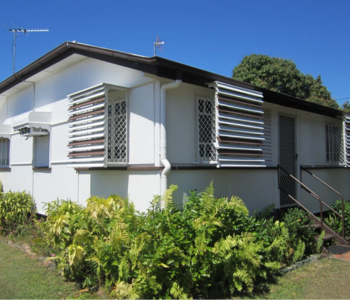
Cost
$297,500
Current Property Value
$430,000
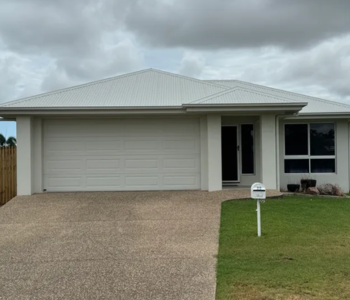
Cost
$555,000
Current Property Value
$670,000

Cost
$525,000
Current Property Value
$660,000
Cost
$380,000
Current Property Value
$565,000
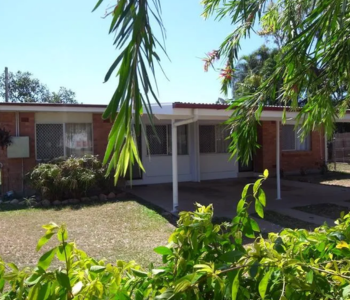
Cost
$475,000
Current Property Value
$645,000
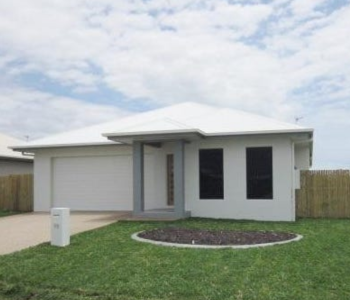
Cost
$583,000
Current Property Value
$760,000
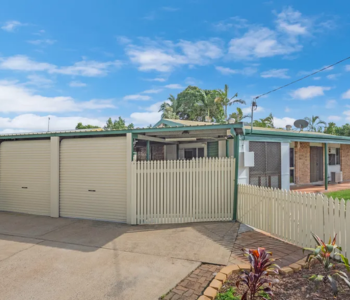
Cost
$520,000
Current Property Value
$700,000
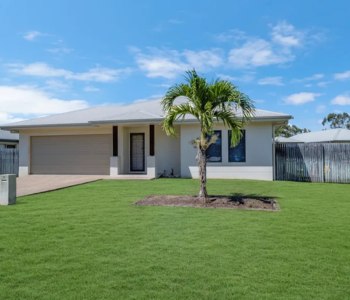
Cost
$545,000
Current Property Value
$710,000

Cost
$550,000
Current Property Value
$780,000
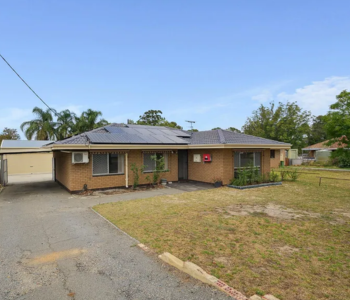
Cost
$450,000
Current Property Value
$800,000
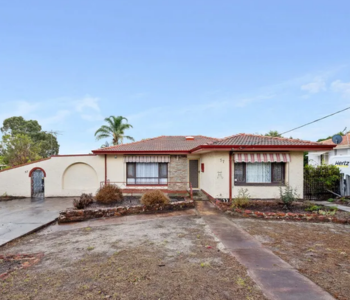
Cost
$515,000
Current Property Value
$790,000
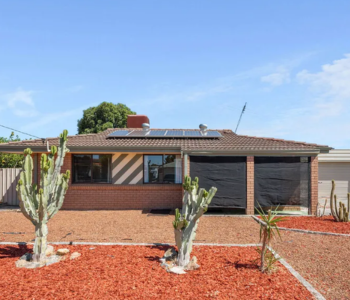
Cost
$545,000
Current Property Value
$800,000
Looking for guidance before investing through an SMSF? These FAQs explain how SMSFs work, key compliance rules, professional support requirements, and what you need to know to invest confidently for retirement.