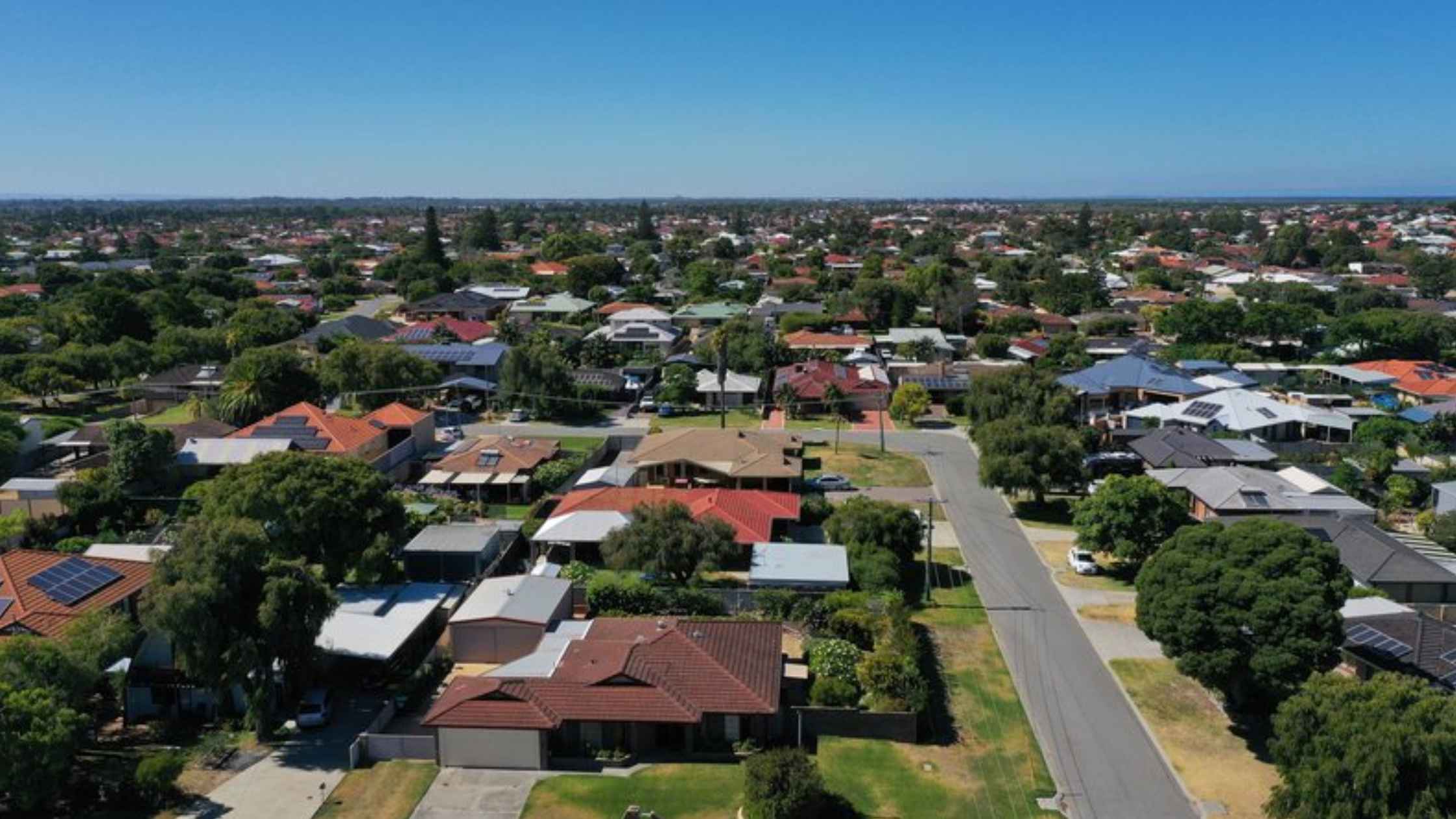

Higher interest rates have changed the property investment landscape across Australia, increasing borrowing costs and reducing borrowing capacity for many buyers. Despite these challenges, investor activity has remained resilient in many markets.
One of the biggest reasons is rental demand. Australia continues to experience strong population growth, low vacancy rates, and a shortage of available housing. These factors are helping support rental income and creating opportunities for investors who focus on long-term fundamentals.
In 2026, rental demand remains one of the strongest drivers of property investment decisions, even as financing costs remain elevated.
Rental Demand Remains Exceptionally Strong
Australia’s rental market continues to face significant supply shortages in many cities and regional centres. Population growth, overseas migration, and limited new housing construction are all contributing to strong tenant demand.
As a result, vacancy rates remain low across many locations, creating competitive conditions among renters. Properties that are well-located and appropriately priced are often securing tenants quickly.
This strong demand provides investors with greater confidence that their properties will remain occupied and continue generating rental income.
Higher Rents Are Supporting Cash Flow
While higher interest rates have increased mortgage repayments, rising rents have helped offset some of these additional costs. Many investors have seen rental income improve over recent years as demand continues to exceed available supply.
Stronger rental income can reduce holding costs and improve overall cash flow. This is particularly important in a higher-rate environment where financial sustainability has become a key investment consideration.
As discussed in our article on why cash flow is becoming more important than capital growth, investors are increasingly prioritising properties that can support themselves financially.
Low Vacancy Rates Create Stability
One of the biggest advantages of strong rental demand is improved occupancy stability. Low vacancy rates reduce the likelihood of prolonged periods without rental income, helping investors maintain more predictable cash flow.
This stability can be particularly valuable during periods of economic uncertainty. Investors who can rely on consistent tenant demand are often better positioned to hold their properties through changing market conditions.
In many markets, low vacancy rates are now considered one of the strongest indicators of investment resilience.
Investors Are Following Demographic Trends
Experienced investors understand that property markets are driven by people. Areas experiencing population growth, infrastructure investment, and employment opportunities often attract both residents and renters.
These demographic trends are helping support rental demand across many affordable and middle-market suburbs. As more Australians face affordability challenges in home ownership, rental demand continues to expand.
Rather than focusing solely on interest rates, investors are increasingly looking at where future tenant demand is likely to remain strongest.
Long-Term Investors Look Beyond Interest Rates
Property investment has always been a long-term strategy. While interest rates can influence short-term market activity, rental demand is often driven by broader structural factors that evolve over many years.
Housing shortages, population growth, and changing household formation trends continue to support demand for rental accommodation across Australia. These factors do not disappear simply because borrowing costs increase.
This is one reason many investors continue entering the market despite higher rates. They recognise that strong rental fundamentals can help support both income and long-term property performance.
Frequently Asked Questions
- Why are investors still buying property despite higher interest rates?
Strong rental demand, rising rents, and long-term growth potential continue to attract investors. - How do low vacancy rates benefit investors?
Low vacancy rates improve occupancy stability and reduce the risk of lost rental income. - Is rental demand still strong in 2026?
Yes. Population growth, migration, and housing shortages continue supporting rental demand across many markets. - What should investors focus on?
Rental demand, vacancy rates, cash flow, affordability, and long-term market fundamentals. - Can rental income offset higher interest rates?
In many cases, stronger rental income can help reduce the impact of increased borrowing costs.
What This Means for Property Investors
Strong rental demand is helping many investors navigate a higher-rate environment. While borrowing costs have increased, improved rental income and low vacancy rates continue supporting investment activity.
The most successful investors are often focusing on markets with strong tenant demand, sustainable rental growth, and long-term population drivers. These fundamentals can help create resilience regardless of short-term interest rate movements.
At Citadel Agency, we help investors identify locations where rental demand and long-term growth potential align. If you’d like tailored guidance, visit our property investment consultation page.