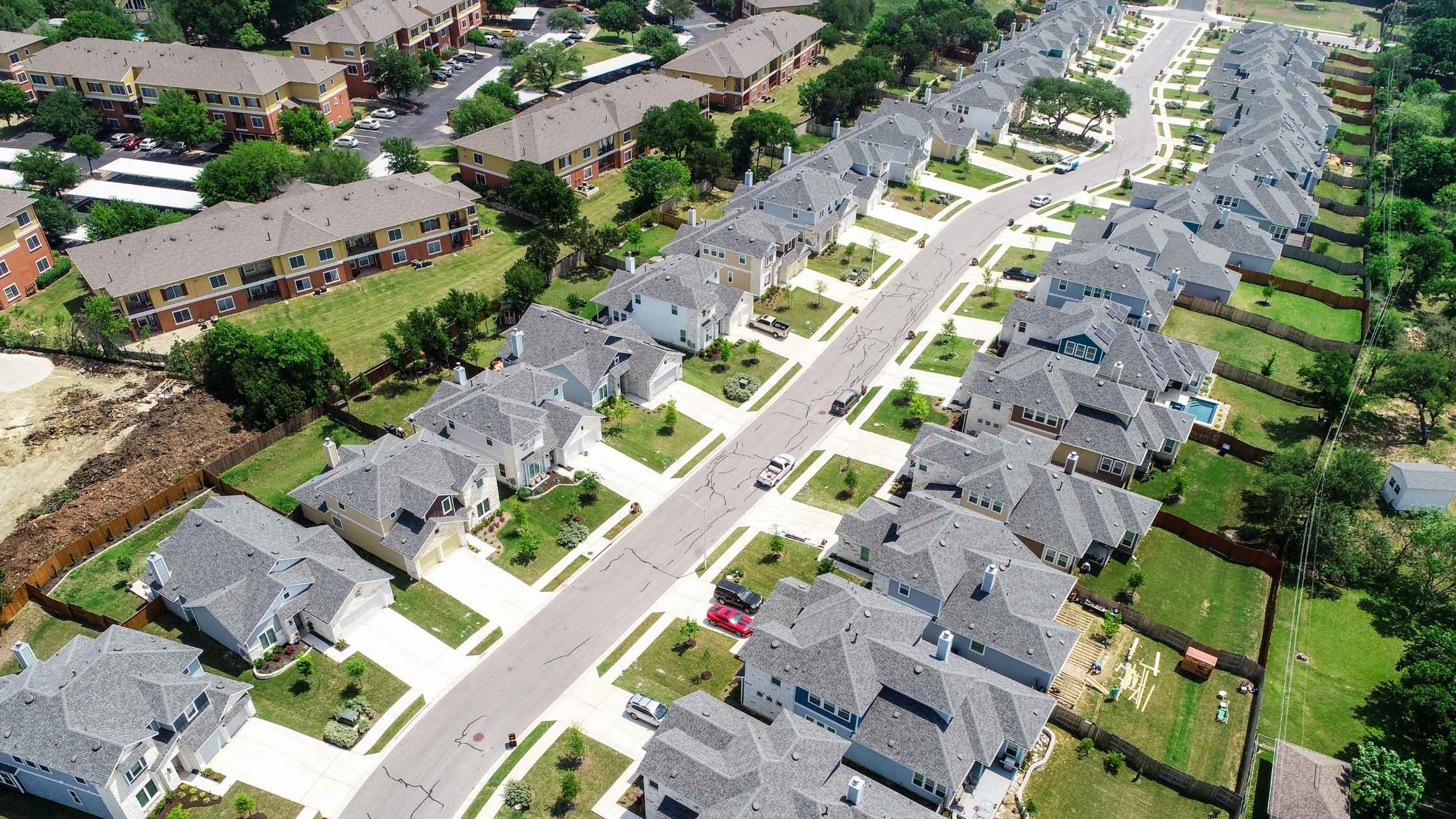

When searching for the most profitable investment property, many investors hope to find a simple answer. Is it a house in the suburbs? A high-rise apartment in the city? A townhouse in a growing regional center?
The reality is that profitability isn’t determined by property type alone. While some property types have historically surpassed others in specific markets, their success ultimately depends on elements like location, demand, rental income, maintenance costs, and long-term capital growth. A property that performs exceptionally well in one suburb may deliver average results in another.
Rather than chasing trends, successful investors concentrate on choosing the right property type for the right market conditions. Understanding the strengths and trade-offs of each property type can help you build a portfolio that aligns with your financial goals and investment strategy.
What Makes an Investment Property Profitable?
Profitability is about much more than buying a property and hoping its value increases. A profitable investment combines strong capital growth with reliable rental income while keeping ownership costs manageable over time.
Properties that consistently attract tenants, require minimal unexpected maintenance, and are located in areas with growing demand frequently provide stronger long-term returns. Investors should also consider vacancy rates, future infrastructure projects, employment opportunities, and population growth, since these factors can greatly affect a property’s performance over many years.
- Houses: Strong Long-Term Capital Growth
Detached houses have long been considered one of Australia’s strongest performing investment assets because of the value associated with the land they occupy. Unlike buildings, land is finite, and in areas where supply is limited and demand continues to grow, this rarity often encourages long-term capital appreciation.
Houses also appeal to a broad range of buyers and tenants, including families looking for larger living spaces and access to schools, parks, and transport. This broader demand may contribute to more stable occupancy and stronger resale opportunities. While houses generally require a greater upfront investment and ongoing maintenance, many investors see these costs as worthwhile in exchange for greater extended growth potential.
- Apartments: Affordable Entry with Rental Appeal
Apartments often provide a more affordable entry point into the property market, particularly in major cities where detached houses may be financially out of reach for many investors. Their lower purchase prices can make it easier to enter the market while still benefiting from rental income.
Well-located apartments close to business districts, universities, hospitals, and public transport frequently attract steady tenant demand. However, investors should carefully assess factors such as body corporate fees, future apartment supply, and the building’s quality before purchasing. While some apartments achieve strong growth, others may experience slower appreciation if there is an oversupply of similar properties in the area.
- Townhouses: A Harmony Between Growth and Affordability
Townhouses have become increasingly popular because they combine many of the benefits of detached houses with a lower purchase price. They often offer more living space than apartments while needing less maintenance than standalone homes, rendering them attractive to both owner-occupiers and renters.
In growing suburban areas, townhouses can deliver a balanced investment outcome through reasonable rental demand and steady capital growth. As more Australians seek affordable housing options without sacrificing their lifestyle, demand for quality townhouses has continued to rise across many metropolitan and regional markets.
- Duplexes and Dual-Income Properties: Maximizing Rental Income
For investors focused on cash flow, duplexes and dual-income properties can offer attractive opportunities. These properties generate rental income from two separate dwellings on a single title or parcel of land, potentially producing higher combined rental returns than a traditional single dwelling.
However, managing multiple tenants also increases the complexity of owning property. Investors need to consider additional maintenance requirements, insurance costs, and local planning regulations. When carefully selected in areas with strong rental demand, dual-income properties can improve cash flow while still delivering opportunities for capital growth.
Regional Properties: Growing Opportunities Beyond Capital Cities
Regional Australia has attracted increasing focus from investors as lifestyle changes, improved infrastructure, and remote working have encouraged more people to live outside major cities. Some regional markets have experienced strong population growth, supporting both rental demand and property values.
Not every regional location performs equally well, however. Investors should focus on areas with diverse local economies, stable employment opportunities, quality healthcare, education, and planned infrastructure investment. Strong fundamentals are far more important than simply choosing a regional location because it appears affordable.
Which Property Type Offers the Best Long-Term Returns?
No single property type consistently ranks as the most profitable investment property across every market cycle. Market conditions change, buyer preferences change, and economic forces influence how different property types perform over time.
In many cases, the most successful investments are those made in locations with strong long-term fundamentals rather than in a particular type of dwelling. A well-located townhouse may outperform a poorly located house, while a carefully selected apartment can generate stronger overall returns than an expensive property in a declining market.
Investors who evaluate both the property itself and the surrounding market are generally better positioned to achieve sustainable, enduring profitability.
Key Factors to Consider Before Choosing a Property Type
Selecting the right investment property demands balancing several important considerations. Investors should evaluate purchase price, rental demand, maintenance costs, expected vacancy rates, local infrastructure, demographic trends, and future development plans before making a decision.
Property type should never be assessed in isolation. The surrounding suburb, local economy, transport connections, schools, and employment opportunities often have a greater impact on long-term performance than whether the property is a house, apartment, or townhouse. Careful research allows investors to choose a property that corresponds with both their financial objectives and risk threshold.
Conclusion
Choosing the most profitable investment property isn’t about finding a universal winner. Instead, it’s about selecting the right property type in the right location based on sound research and long-term investment principles.
Whether you choose a house, apartment, townhouse, or dual-income property, profitability ultimately depends on how well the property satisfies market demand while supporting both rental income and capital growth. By focusing on quality assets with strong fundamentals, investors can build a portfolio designed for sustainable long-term success rather than short-term speculation.
Ready to Find the Right Investment Property?
Every successful property portfolio starts with choosing the right asset, not simply the most popular one. Knowing how different property types perform is an important first step, but taking well-informed decisions requires research, market analysis, and a strategy customized to your financial goals.
At Citadel Agency, we help investors identify high-quality opportunities backed by data, market insights, and long-term investment principles.
Whether you’re purchasing your first investment property or expanding an existing portfolio, our team can help you make confident, well-informed decisions.
Learn more about our Property Investment and learn how a deliberate approach can help you build lasting wealth through property.