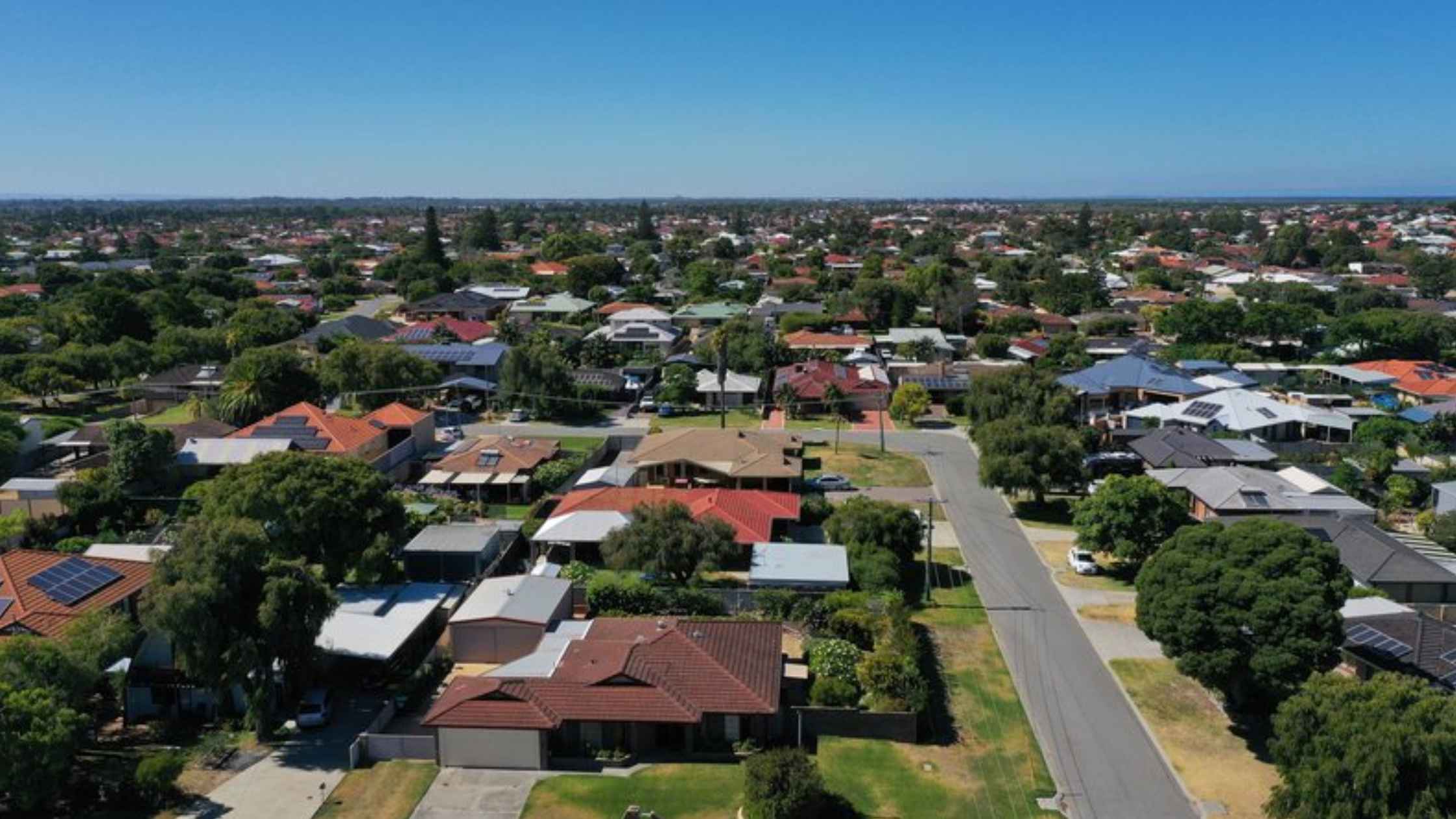

Australia’s rental market continues to experience extremely low vacancy rates in 2026, creating ongoing challenges for tenants and significant opportunities for property investors. Despite higher interest rates, slowing economic growth, and affordability pressures, rental demand remains strong across many parts of the country.
Low vacancy rates are more than just a rental market statistic. They are a reflection of the balance between housing supply and tenant demand. When vacancies remain low, competition among renters increases, rental growth is often supported, and investors benefit from improved occupancy levels.
Understanding why vacancy rates remain near historic lows can help investors identify markets where demand is likely to remain resilient over the coming years.
Population Growth Continues to Drive Demand
One of the biggest factors supporting low vacancy rates is Australia’s ongoing population growth. Overseas migration, international students, and natural population increases continue adding pressure to the housing market.
As more people arrive and form new households, demand for rental accommodation rises. In many cities, housing construction has struggled to keep pace with this growing demand, creating an imbalance between available properties and prospective tenants.
This trend is particularly visible in major capitals and growth corridors where employment opportunities, education facilities, and infrastructure investment continue attracting new residents.
Housing Supply Remains Constrained
While demand continues growing, housing supply remains limited in many parts of Australia. Construction costs, labour shortages, planning delays, and financing challenges have slowed the delivery of new housing.
As a result, the number of available rental properties has not increased enough to meet tenant demand. This shortage is one of the primary reasons vacancy rates remain exceptionally low.
Affordability Pressures Are Delaying Home Ownership
Higher property prices and elevated interest rates have made home ownership more difficult for many Australians. As a result, more households are remaining in the rental market for longer periods.
This increases demand for rental accommodation and places additional pressure on already limited supply. First-home buyers who might have purchased in previous years are often delaying their plans while they save larger deposits or wait for borrowing conditions to improve.
This trend is explored further in our article, where affordability pressures are influencing buyer activity across many markets.
Investors Are Paying Close Attention
Low vacancy rates are one of the strongest indicators of rental demand. Investors often monitor vacancy data closely because it can provide insights into future rental performance and occupancy stability.
Properties located in areas with persistently low vacancies typically experience stronger tenant demand and reduced risk of extended vacancies. This can improve cash flow and create greater confidence during periods of economic uncertainty.
Low Vacancy Rates Support Rental Growth
When rental supply is limited and tenant demand remains strong, rents often increase. While affordability pressures may eventually moderate rental growth, low vacancy rates continue supporting rental performance across many Australian markets.
For investors, this can improve rental yields and help offset higher borrowing and holding costs. However, sustainable rental growth remains important, as tenants are becoming increasingly sensitive to affordability constraints.
The combination of low vacancies, strong population growth, and limited housing supply continues to create favourable conditions for many rental property owners.
Australia’s Rental Vacancy Rates
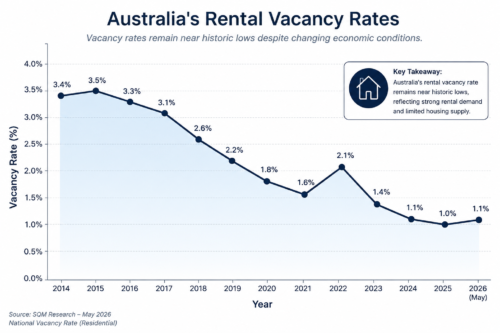
This graph illustrates the decline in Australia’s rental vacancy rates over recent years and highlights how vacancies remain near historic lows despite changing economic conditions.
The data demonstrates that strong population growth and limited housing supply continue to keep rental markets tight across much of the country, supporting ongoing demand for rental accommodation.
What This Means for Property Investors
Low vacancy rates continue to signal strong rental demand across many Australian markets. While interest rates remain an important consideration, tenant demand, population growth, and supply shortages are proving equally influential.
Investors who focus on locations with strong rental fundamentals may continue benefiting from improved occupancy levels and stable rental income. However, market selection remains critical, as vacancy conditions can vary significantly between suburbs.
Ready to Build a Property Strategy Around Strong Rental Demand?
Understanding vacancy rates is only one part of successful property investing. The right market, property type, and investment strategy can make a significant difference to long-term outcomes.
At Citadel Agency, we help investors identify opportunities that align with their financial objectives, risk tolerance, and long-term wealth-building plans.
Book a personalized consultation and discover opportunities aligned with your investment goals.