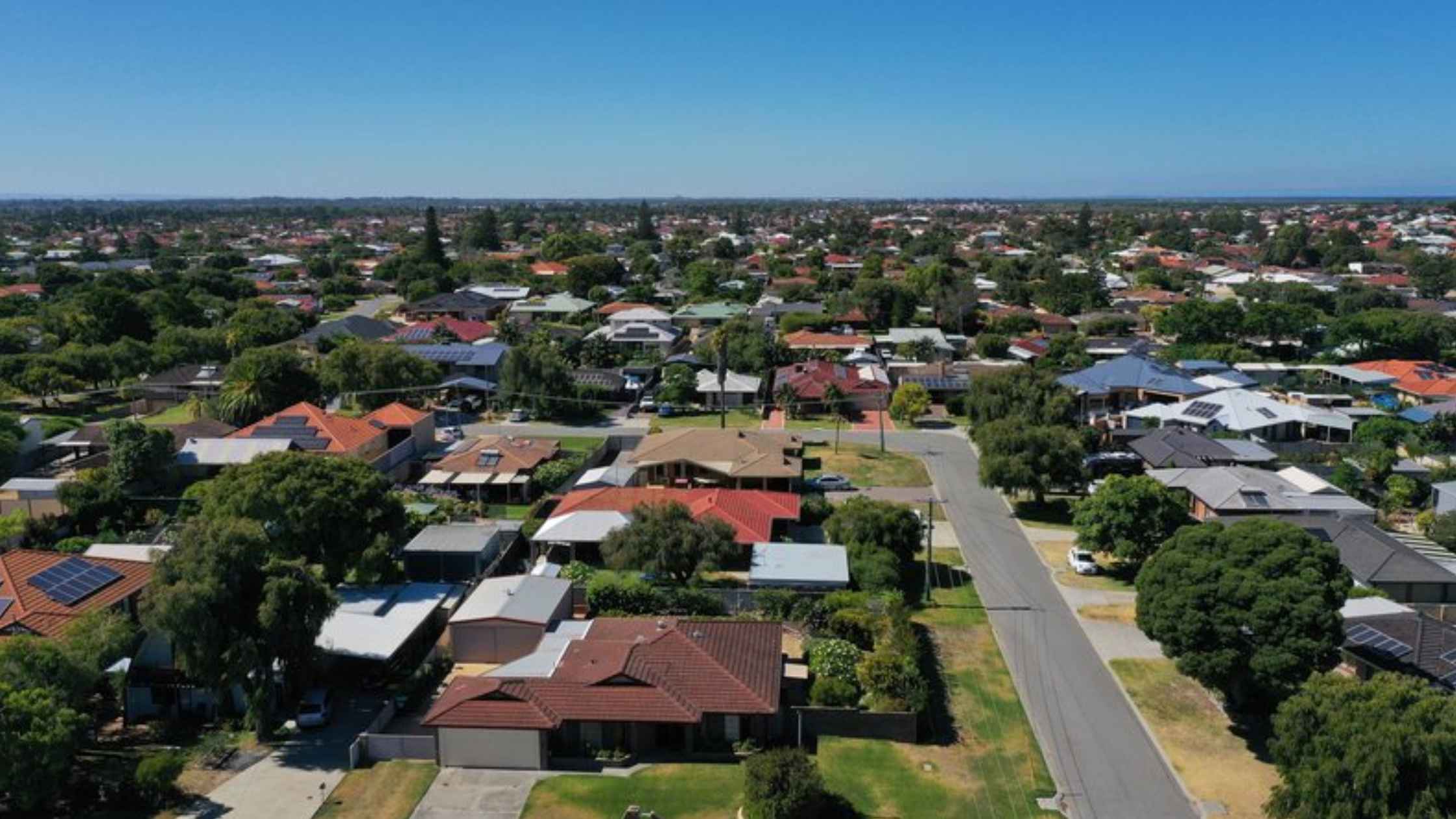

Buying an investment property involves much more than finding a property in a suburb you like and making an offer. Before committing to a purchase, investors need to establish whether the property makes sense financially, physically and strategically.
Due diligence is the process of investigating the property and its surrounding market before you commit to the purchase. It can reveal problems that are not obvious during an inspection, uncover unexpected costs, test whether the asking price is reasonable and help determine whether the property actually fits your investment strategy.
This is particularly important because property investment involves high upfront and ongoing costs. According to Moneysmart, investors need to account for costs such as stamp duty, conveyancing, legal and search fees, building and pest reports, insurance, property management, maintenance, council and water rates, body corporate fees and land tax where applicable.
Start With the Investment Strategy
Before analysing the property, establish what you are trying to achieve from the investment.
Are you primarily looking for long-term capital growth, rental income, a balance between growth and cash flow, or an asset that fits into a broader portfolio strategy? The answer can influence the locations, property types and financial characteristics you should consider.
A property can look attractive on paper but still be unsuitable for your circumstances. A high-yield property may not provide the capital-growth characteristics you are seeking, while a high-growth location may create a larger cash-flow shortfall than you are comfortable carrying.
Your investment strategy should therefore act as the filter through which the rest of the due diligence process is conducted.
Research the Suburb and Surrounding Market
The property should never be assessed in isolation.
Start by examining the suburb’s population growth, employment base, infrastructure, rental demand, vacancy rates, affordability and housing supply. These factors can help explain why people are choosing to live in the area and whether demand is likely to remain sustainable.
You should also look beyond the suburb itself. Employment precincts, transport connections, hospitals, universities, shopping centres and major infrastructure projects in surrounding areas can influence housing demand across a broader region.
The objective is to understand the economic and demographic story behind the property, rather than relying solely on recent price growth.
Examine Historical Property Performance
Historical data can help you understand how the suburb and property type have performed over different market conditions.
Look at longer-term price movements rather than focusing exclusively on the most recent 12 months. Compare the suburb with neighbouring locations and the broader metropolitan or regional market to understand whether its performance has been consistent or unusually strong during a particular period.
Historical performance should not be treated as a guarantee of future returns. Instead, use it to identify patterns and then investigate what is driving them.
For example, sustained growth supported by population, employment, infrastructure and limited supply tells a different story from a short-term price increase driven primarily by changing market sentiment.
Check Rental Demand and Vacancy
Rental demand is one of the most important parts of investment property due diligence.
Investigate the suburb’s vacancy rate, median rent, rental growth, average time on market and the amount of competing rental stock. Then compare these figures with properties similar to the one you are considering.
The advertised rental estimate provided by a selling agent should also be tested against actual comparable rentals. Look at properties with similar bedrooms, bathrooms, parking, condition and location to determine whether the proposed rent is realistic.
Strong rental demand can help support cash flow and reduce the risk of extended vacancy, but rental performance should always be considered alongside capital-growth potential and the overall quality of the location.
Verify the Expected Rental Income
Don’t automatically accept the rental estimate included in a property listing or appraisal.
Ask for evidence of comparable properties that have recently leased at similar rents. Ideally, compare several properties rather than relying on a single example.
You should also consider whether the quoted rent reflects the property’s current condition. A newly renovated property may achieve a higher rent than an older comparable property, while a property with an unusual layout or limited parking may struggle to achieve the same result.
A realistic rental estimate is essential because your investment calculations are only as reliable as the income assumptions behind them.
Calculate the Complete Holding Costs
Rental income is only one side of the investment equation.
Before buying, calculate all expected expenses associated with owning the property. These can include mortgage interest, property management fees, council rates, water charges, insurance, maintenance, land tax, body corporate fees and other property-specific costs.
Moneysmart specifically advises investors to compare expected income with outgoing expenses and consider whether they could cover the shortfall over the long term, including periods when the property may be vacant.
It is also sensible to allow a buffer for unexpected costs. A property that only works financially under perfect conditions may leave little room for changes in rent, vacancy, interest rates or maintenance expenses.
Stress-Test the Investment
A property should not only work under today’s assumptions.
Test what happens if the property remains vacant for several weeks, rental income is lower than expected or your expenses increase. You can also model different interest-rate scenarios to understand how sensitive your cash flow is to borrowing costs.
This process can reveal whether the investment remains manageable if conditions change.
Borrowing can magnify both gains and losses, and Moneysmart warns that investors still need to meet loan repayments even when a property falls in value or produces less income than expected.
The purpose of stress testing is not to predict exactly what will happen. It is to understand how much financial pressure the investment could create under less favourable conditions.
Compare the Purchase Price With Recent Sales
One of the most important parts of property due diligence is establishing whether the purchase price is reasonable.
Look at recent comparable sales in the same suburb, ideally focusing on properties that are similar in land size, building size, condition, age, property type and location.
Recent comparable sales provide evidence of what buyers have actually paid rather than what sellers are asking.
Be particularly careful when comparing properties that appear similar but have meaningful differences. A renovated property, a larger block or a better-positioned home may command a premium that another property does not justify.
Investigate the Property’s Condition
A standard inspection can tell you a lot about a property, but it may not reveal everything.
Look closely at the roof, walls, ceilings, floors, windows, drainage, plumbing, electrical systems, bathrooms, kitchen, external structures and signs of water damage. For older properties, additional attention may be required for ageing infrastructure and maintenance issues.
A professional building inspection can identify defects that may not be obvious to an investor during a viewing. A pest inspection may also be appropriate depending on the property and location.
Investigate Flood, Bushfire and Other Property Risks
Environmental risk should be part of the due diligence process before you make a commitment.
Check whether the property is affected by flood, bushfire, coastal, erosion or other environmental risks relevant to the area. These factors can influence insurance costs, financing, future buyer demand and the property’s overall risk profile.
Don’t rely solely on what is disclosed in a property advertisement. Check the relevant government mapping and planning resources and discuss any concerns with appropriate professionals.
A property can appear financially attractive until a previously overlooked risk results in significantly higher insurance or ownership costs.
Review the Title and Property Details
The property’s legal and physical details should also be checked carefully.
Your conveyancer or solicitor can investigate the title and relevant searches, including easements, covenants and other matters that may affect how the property can be used.
These details can be particularly important if you are considering future renovations, subdivision, development or other changes to the property.
A large backyard, for example, does not automatically mean the property can be subdivided. Planning controls, zoning, access, services, minimum lot sizes and other requirements can affect what is possible.
Check for New Housing Supply
Supply is an important part of property due diligence because new housing can influence rental and resale competition.
Investigate nearby apartment projects, townhouse developments, subdivisions, housing estates and major land releases. Consider how many properties could enter the market and whether they directly compete with the property you are considering.
This is particularly relevant in areas experiencing rapid population growth. Strong demand does not automatically translate into strong property performance if large amounts of new housing are being delivered at the same time.
At the national level, ABS data showed 18,328 dwellings were approved in June 2026, up 7.2% over the month on a seasonally adjusted basis.
The important figure for an individual investor, however, is what is happening in the specific suburb and surrounding market.
Review Strata and Owners Corporation Records
If you are considering an apartment, townhouse or other strata property, additional due diligence is required.
Review the strata plan, levies, sinking fund, insurance, maintenance history, meeting minutes and any planned or completed major works.
Pay particular attention to discussions about building defects, water penetration, structural problems, major repairs or potential special levies.
A property can appear affordable based on its purchase price and rental return while carrying significant future costs through the owners corporation.
Investigate Insurance Costs
Insurance should be included in your investment calculations before you commit to the property.
Obtain an indication of building and landlord insurance costs and check whether the property has characteristics that could make insurance more expensive or difficult to obtain.
For apartments and strata properties, understand what is covered by the owners corporation’s insurance and what remains the individual owner’s responsibility.
Insurance is an ongoing cost, so a significant difference between estimated and actual premiums can affect your cash-flow calculations.
Review the Property Management Options
A good property manager can help protect rental income and manage the practical responsibilities of owning an investment property.
Before purchasing, investigate local property management fees, leasing fees, inspection arrangements, maintenance processes and communication standards.
You should also assess whether the property manager’s proposed rental figure is supported by comparable properties rather than simply accepting the highest rental estimate.
The goal is to establish a realistic management cost and a realistic rental expectation before completing your investment calculations.
Consider the Property’s Tenant Appeal
Ask yourself who would actually want to rent the property.
Consider access to employment, transport, schools, shopping, healthcare, recreation and other amenities. Then look at the property itself: Is the layout practical? Is there sufficient storage? Is parking available? Is the outdoor area usable? Is the property easy to maintain?
A property does not need to be luxurious to attract tenants. It needs to provide the features that matter to its target rental market.
Understanding tenant demand can help you identify potential weaknesses before purchasing rather than discovering them after the property is vacant.
Assess Future Resale Appeal
Investment property due diligence should not stop with the tenant.
Eventually, you may need to sell the property, so consider who the future buyer might be and whether the property has broad appeal.
Properties that appeal only to a narrow segment of buyers can potentially be more difficult to sell. Factors such as layout, land component, location, parking, natural light, property condition and proximity to amenities can influence future demand.
This is particularly relevant when comparing properties with similar rental yields. If one property has broader owner-occupier appeal, that may be an important consideration for long-term liquidity.
Review the Contract Before You Commit
The contract is one of the most important documents in the purchase process.
Have your solicitor or conveyancer review the contract and explain any conditions, special clauses, restrictions or other provisions that may affect the transaction.
The exact contract and cooling-off rules vary between Australian states and territories, so investors should not assume that the process is identical everywhere.
For example, in NSW, residential buyers generally have a five-business-day cooling-off period after exchanging contracts, although there are exceptions including certain auction purchases. NSW Government also advises buyers to have the contract examined and make the necessary inquiries before exchange.
The important point is that property due diligence should be completed within the legal and contractual timeframe that applies to your purchase.
When to Walk Away From a Property
Good due diligence is not designed to convince you to buy.
It is designed to give you enough information to make an informed decision, including the decision not to proceed.
A property may have an attractive purchase price but significant structural problems. It may have a strong rental yield but weak demand. It may be in a desirable suburb but be overpriced relative to comparable sales.
There will always be another property. Walking away from an investment that does not meet your criteria can be just as important as identifying one that does.
Conclusion
Investment property due diligence is about looking beyond the listing and understanding what you are actually buying.
The process should cover the suburb, rental market, purchase price, property condition, financing, ongoing costs, planning controls, supply, insurance, legal matters, tenant appeal and future resale demand.
No property is completely risk-free. The objective is to identify the risks before purchasing, understand the numbers realistically and determine whether the property fits your broader investment strategy.
The strongest investment decisions are rarely based on one exciting feature. They come from evidence, comparison and disciplined research.
Before signing a contract, make sure the property still makes sense when you look past the marketing.
Because due diligence isn’t about finding reasons to buy. It’s about making sure you understand what you’re buying.
Ready to Find the Right Investment Property?
Due diligence can reveal whether a property genuinely fits your investment strategy, but knowing what to investigate is only part of the process.
Citadel Agency combines suburb research, market analysis and property-level assessment to help investors identify opportunities aligned with their long-term investment objectives.
If you’re looking for your next investment property, speak with our team about taking a research-led approach to your next purchase.