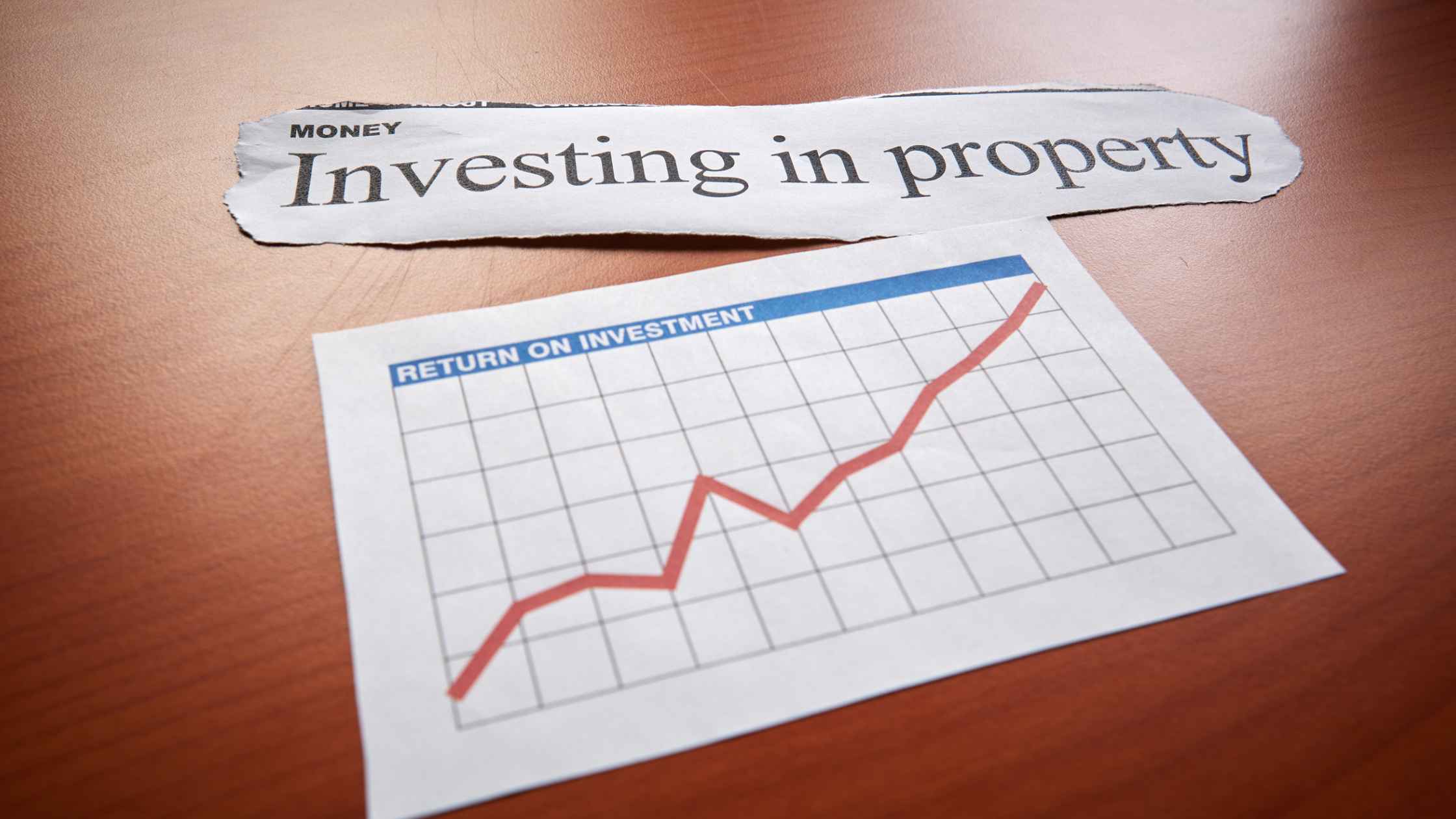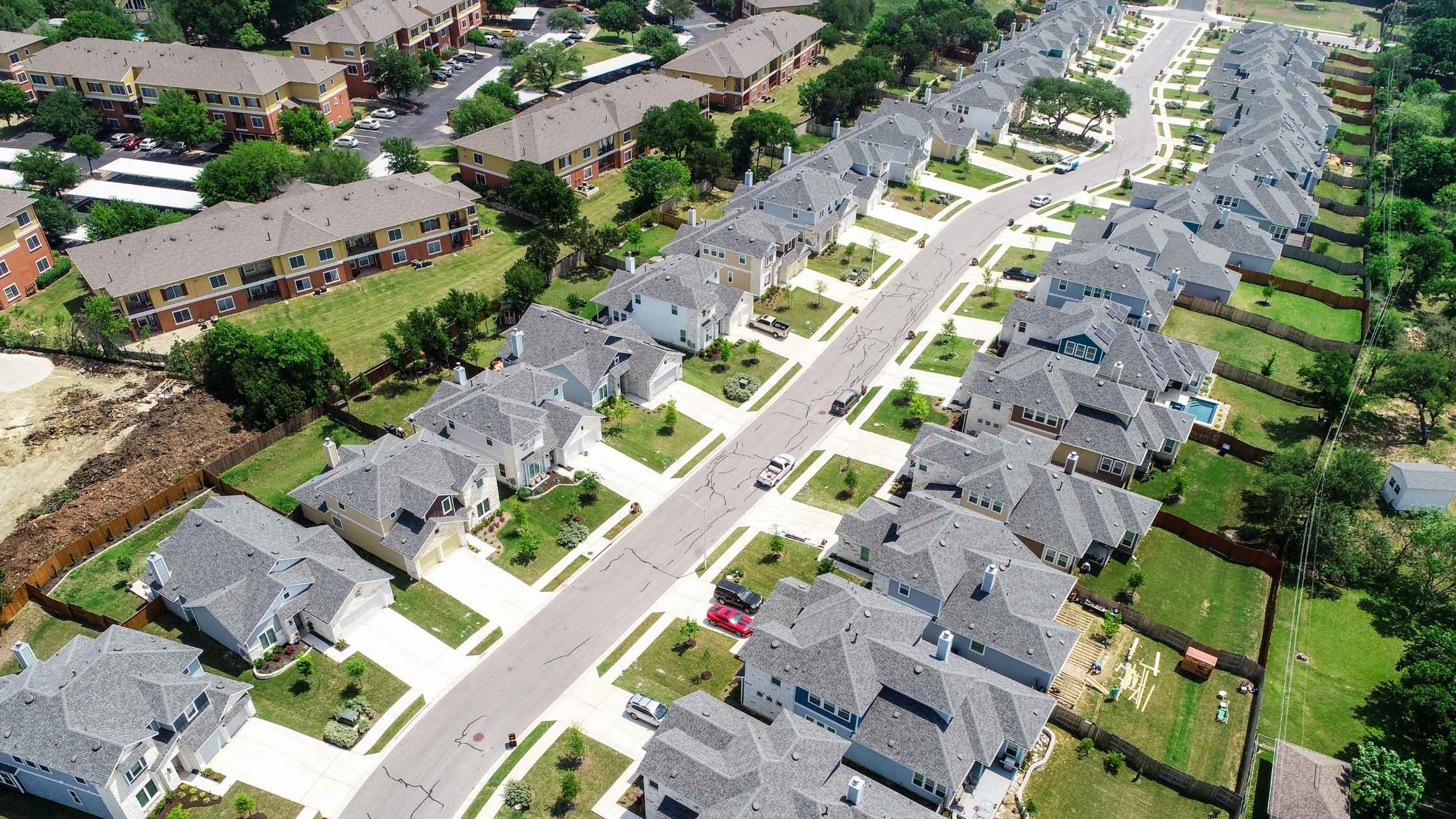

For many Australians, property remains one of the most trusted ways to build long-term wealth. However, one of the first questions new and experienced investors ask is: What is the average return on a property investment?
The answer isn’t as straightforward as a single percentage. Property investment returns vary depending on location, property type, market conditions, rental income, and how long you hold the asset. While some properties produce exceptional growth, others may perform below expectations.
Understanding what drives a property’s overall return can help you set realistic expectations and make better-informed investment decisions. Rather than chasing the highest returns, successful investors concentrate on steady growth backed by research and strategy.
Understanding Property Investment Returns
When people talk about the average return on property investment, they’re generally referring to the total financial gain generated by an investment property over time. This typically comes from two primary sources:
- Capital Growth
Capital growth is the increase in your property’s value over time. If you purchase a property for $600,000 and sell it several years later for $750,000, you’ve achieved $150,000 in capital growth.
Historically, well-located Australian residential properties have experienced steady long-term capital appreciation, although annual performance differs markedly between markets.
- Rental Income
Rental income provides ongoing cash flow while you own the property. Investors often measure this through rental yield, which compares annual rental income to the property’s value.
A property with strong rental demand may produce consistent income even during periods when capital growth slows.
The combination of capital growth and rental income determines your overall investment return.
What Is the Average Return on Property Investment in Australia?
There isn’t a universal average because Australia’s property market comprises thousands of individual markets that perform differently.
Over the long term, many established residential markets have historically delivered annual capital growth in the range of 6% to 8%, although performance can vary considerably depending on economic conditions, supply and demand, infrastructure investment, and local employment opportunities.
When rental income is added, total returns may be higher. However, investors should also account for expenses such as:
- Property management fees
- Council rates
- Insurance
- Maintenance
- Loan interest
- Vacancy periods
It’s important to evaluate the net return, not simply the property’s price growth.
Rather than asking, “What is the average return?” experienced investors often ask, “What is a realistic long-term return for this specific property?”
Factors That Impact Investment Returns
No two investment properties perform exactly the same. Numerous factors may greatly affect long-term returns.
- Location
Location remains one of the strongest predictors of property performance.
Areas experiencing population growth, infrastructure investment, employment opportunities, and restricted housing supply often demonstrate stronger long-term demand.
Different suburbs within the same city can produce vastly different investment outcomes.
- Property Type
Houses, apartments, townhouses, and dual-income properties each have different growth characteristics.
For example:
Houses frequently benefit from stronger land appreciation.
Apartments may provide higher rental yields in some locations.
Townhouses can present an equilibrium between growth and affordability.
Choosing the right property depends on your investment objectives, not on assuming one property type always performs better.
- Market Timing
Property markets move through cycles.
Buying during periods of slower growth may create opportunities for stronger long-term returns, while purchasing in market peaks may require a longer holding period before significant growth occurs.
Trying to perfectly time the market is difficult, which is why many investors focus instead on buying quality assets and holding them over the long term.
- Rental Demand
Strong rental demand contributes to consistent cash flow and lower vacancy rates.
Suburbs with growing populations, major employment hubs, universities, hospitals, or transport infrastructure often experience sustained tenant demand.
Higher occupancy helps improve the overall return on investment.
Why Long-Term Performance Matters
Property investing is generally considered a long-term wealth-building strategy.
Short-term stock variations are normal, but historically, quality properties have maintained resilience throughout extended holding periods.
Investors who focus solely on annual returns may overlook the benefits of:
- Compounding capital growth
- Loan reduction over time
- Rental increases
- Equity accumulation
A property that appears to produce modest returns in its first few years may produce considerable wealth over a decade or longer.
Looking Beyond Percentage Returns
While average return figures are useful, they shouldn’t be the only measure of a property’s performance.
Consider evaluating investments based on multiple key indicators, including:
- Capital growth potential
- Rental yield
- Vacancy rates
- Population growth
- Infrastructure projects
- Local employment trends
- Housing supply
Looking at these factors together provides a more complete picture than relying on historical averages alone.
How to Assess Whether a Property Is Likely to Perform Well
Successful investors rely on research rather than assumptions.
Before purchasing an investment property, it’s important to evaluate:
- Historical suburb performance
- Future development plans
- Population forecasts
- Local rental demand
- Comparable property sales
- Economic drivers
While past performance doesn’t guarantee future results, knowing these indicators can help identify locations with stronger long-term potential.
This approach lets investors make informed decisions based on evidence rather than emotion.
Conclusion
The average return on a property investment depends on much more than a headline percentage. Capital growth, rental income, location, market conditions, and property selection all play important functions in determining long-term performance.
Rather than emphasizing solely on average returns, investors should assess each property on its own fundamentals and its capability to contribute to wider financial goals.
Property investing is ultimately about making well-informed decisions which align with your long-term wealth strategy, not simply chasing the highest percentage return.
Ready to Make Smarter Property Investment Decisions?
Understanding the average return on a property investment is just one piece of the puzzle. Achieving strong long-term results depends on selecting the right property, in the right location, at the right time, all backed by research and strategy.
At Citadel Agency, we help investors take informed property decisions using market data, suburb analysis, and customized investment strategies designed for long-term wealth creation.
Whether you’re buying your first investment property or expanding your portfolio, our team can help you invest with confidence.