
When SMSF Property Stops Making Sense: What to Do Instead

Property has long been one of the most popular investment choices inside a Self-Managed Super Fund (SMSF). The appeal is understandable. Property is tangible, familiar to many investors, and often associated with long-term capital growth and rental income, all within the tax-advantaged environment of superannuation. However, SMSF property is not a universal solution. In certain […]
Limited Recourse Borrowing Arrangements (LRBAs): How They Work in Practice

SMSFs are generally prohibited from borrowing money under the Superannuation Industry (Supervision) Act 1993, but there is a key exception called a Limited Recourse Borrowing Arrangement (LRBA). An LRBA allows an SMSF trustee to borrow money to acquire an asset (like property) while limiting the lender’s recourse to that single asset. According to statistics released […]
SMSF Property Investing in Australia: Rules, Risks, and Real Data

Investing in direct property through a Self‑Managed Super Fund (SMSF) gives trustees control over retirement savings, but it is one of the most regulated and complex strategies permitted under Australian super law. You must comply with strict legal requirements to avoid penalties and ensure your investment stays compliant with tax and superannuation rules. Self-Managed Super […]
SMSF Property Investing for Couples vs Individuals

SMSF property investing remains a popular strategy for Australians seeking greater control over their retirement savings, particularly those who view property as a long-term, tangible asset. However, whether this strategy is better suited to couples or individuals depends on several structural and financial factors, including contribution capacity, borrowing strength, and risk tolerance. The Australian Taxation […]
Median Misfires: How to Read Australian Property Data Like an Analyst

Australian property stats are everywhere—every week there’s a new headline about median house prices, another chart on capital city values, or some hot take that a certain suburb is about to take off. If you’re an investor, it’s easy to feel buried under numbers but still have no real clue what to do next. It’s […]
Floods, fires and climate risk Australian property investors cannot ignore

For most Australians, property is the biggest thing on their personal balance sheet. In the past, “risk” usually meant vacancy periods, rising interest rates, or maybe too many new apartments in the area. Now, climate risk has quietly joined the list—and it’s not just a theory anymore. New national data shows climate hazards are already […]
From Peak to Possibility: What Happens After a Property Boom in Australia

You’re not alone if you’re curious about what happens in Australia following a real estate boom. Once the headlines shift from record prices to discussions of cooling conditions and risks, many investors experience the same mixture of relief and worry. Fortunately, a boom is just one phase of the real estate cycle. For investors who […]
5 SMSF Property Traps Catching Australian Investors Every Year

Purchasing real estate within a self-managed super fund makes sense. Control, potential long-term growth, and rent flowing into the super. It makes sense that over $100 billion in SMSF funds currently reside in physical locations throughout Australia. However, trustees fall into the same SMSF property traps each year. Certain traps cause excruciating stress related to […]
What Low Vacancy Rates Really Mean For Australian Investors

The perception of low vacancy rates by many property investors in Australia has created a misconception that low vacancy rates are always an indicator of a great opportunity. Vacancy rates have been at or near a historic low across many property markets in Australia since they were reported years ago, which is why there are […]
How to Read a Property Clock to Spot Buy Hold and Caution in Australia
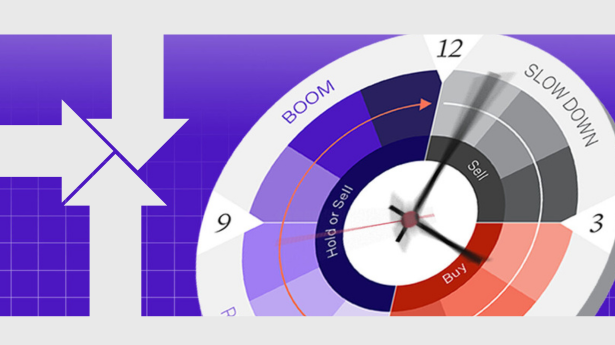
How to Read a Property Clock is a practical way to understand where a market sits in the cycle so you can decide whether to buy, hold or exercise caution. The property clock groups market movements into repeatable stages that typically run from early recovery to rising to peak then easing to bottom. In this […]